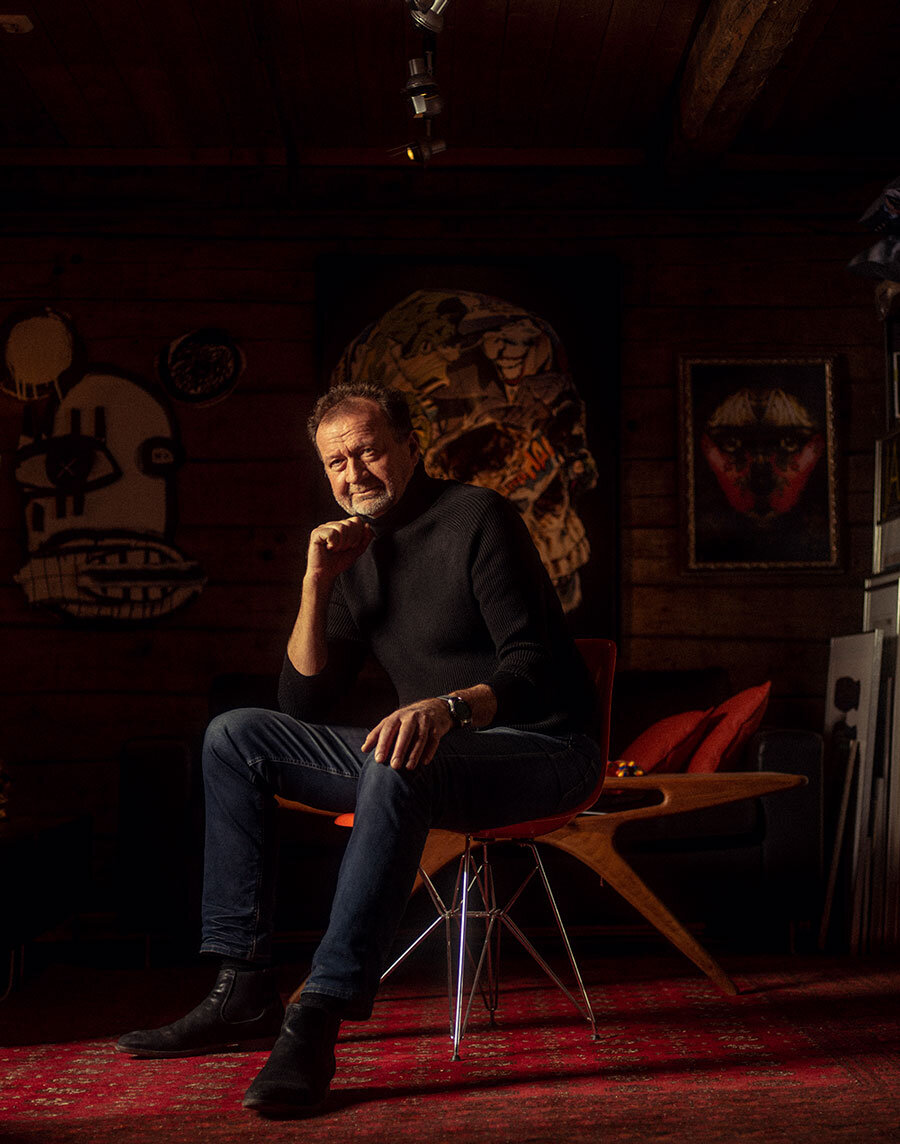

CEO Paal J. Kahrs was still in his 20s when he founded the company, and he shows no signs of slowing down.
“While some of my friends are talking about retiring at this point, I’m focused on developing the company. I want to carry on working for many years,” Paal says with a smile.
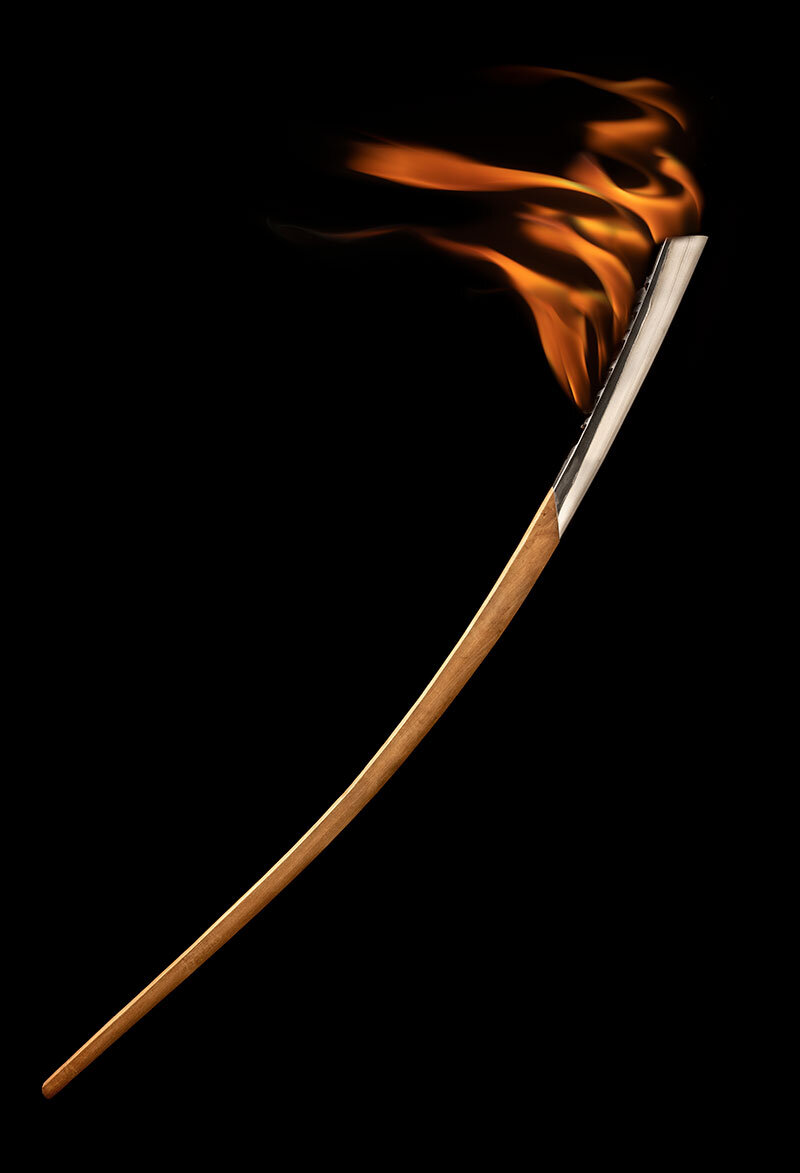
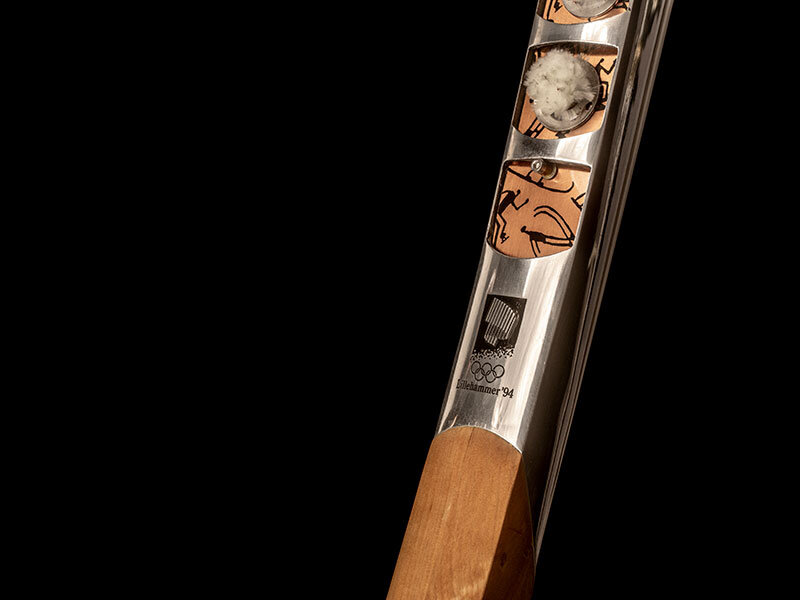
Paal talks with enthusiasm about the many interesting projects he’s worked on over the years. Designing the torch for the Olympic Games in Lillehammer, Norway in the winter of 1994 was a career highlight for Paal.
“The Olympics being hosted in Norway in 1994 was really exciting to most Norwegians, and one of the biggest symbols of the Olympics was of course the Olympic torch, so this was a very interesting project to be part of,” Paal says. “An open competition for the torch design was launched, and I believe they received around 150 proposals. After we won, it was a really interesting process towards developing the torch that ended up being used – I learned a lot.”
The torch was designed by Paal and a young student he’d hired to work with him, André Marandon.
“The concept behind the torch was man’s mastery over fire. The difference between this torch and the other Olympic torches that had been created was that the torch didn’t just have a flame at the top – the flame was spread over a larger area,” Paal says. “The torch we designed has associations with traditional Norwegian craftsmanship – it resembles a typical sheath knife with a long handle made of birchwood and a metal blade. The torch represents the harmonious union of old and new –the wooden handle is a nod to Norwegian heritage, and the length of the torch harks back to the long staffs the Birkebeins used while the polished aluminium blade evokes new, modern Norwegian technology.”
Fjell Fortress was another significant project for the company. The local area has a lot of history, and Fjell Fortress was built by German forces during the occupation of Norway in WWII.
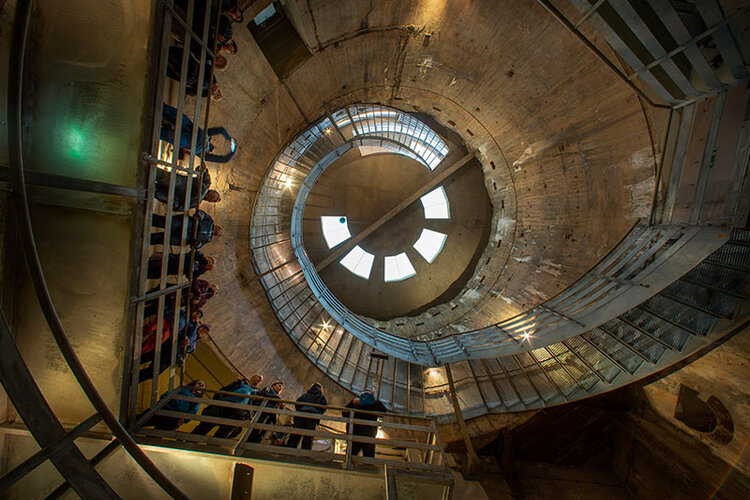
The main purpose of the fortress was to ensure the Germans could defend the approach to Bergen at the coastline north and south of Sotra. The main weapon at the fortress was a cannon tower with a three-barreled naval gun turret which was taken from the battleship Gneisenau. Below the cannon, there’s a spacious underground facility containing accommodations, and infirmary as well as cannon service areas.
The Germans used Eastern European and Norwegian war prisoners to build the fortress, and 25 prisoners died in the process. “It’s important to preserve the history of the area, and pay homage to what has happened there,” Paal says.
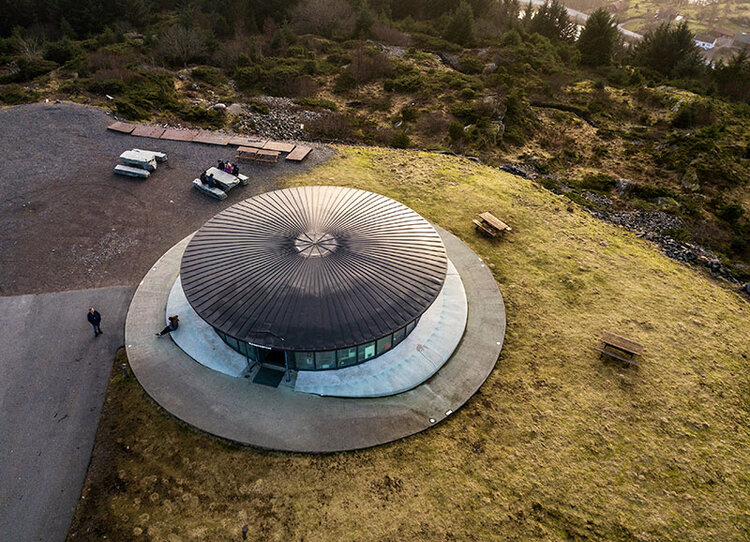
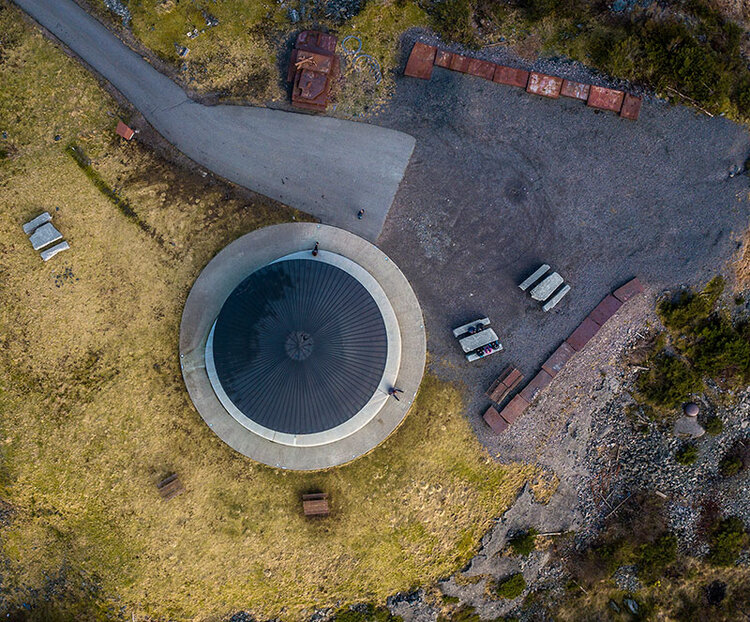
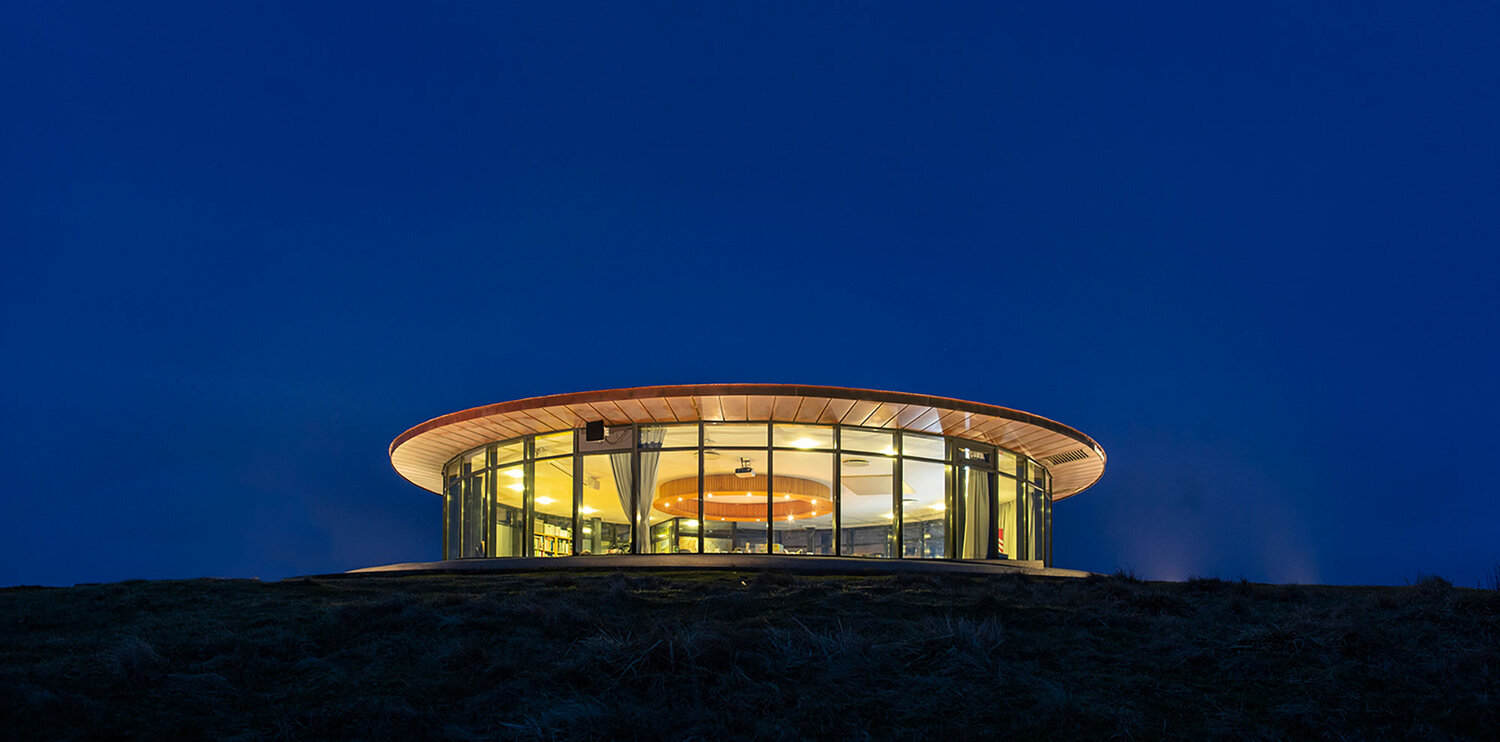
The cannon was removed in the late 60’s and the new building was opened on May 8th in 2005, which was the 60-year anniversary of Norway’s Liberation Day. The concept behind the project was that visitors would be able to walk up the stairs below the cannon well, to experience a panoramic view from the top of the cannon. A new pavilion with 360° glass windows was positioned over the cannon well, and its design was carefully considered. The idea was that it should not dominate or disrupt the history of the facility, which now functions as a museum.
“The main idea behind our buildings and designs is that they are adapted to the situation they’re in. We try to give each project its own identity, and we want our buildings to stand out without dominating their surroundings,” Paal says.
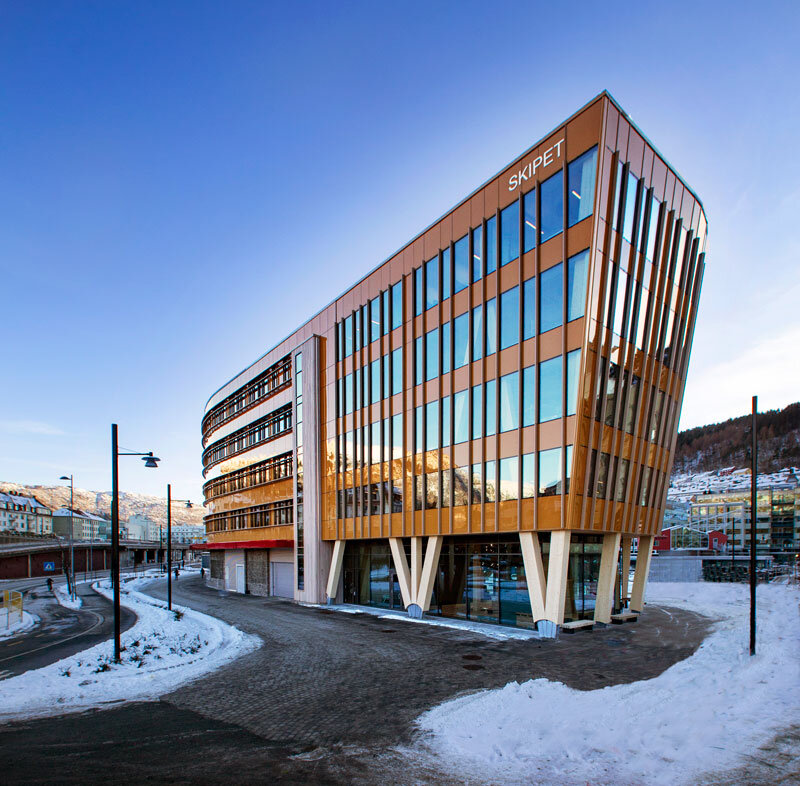
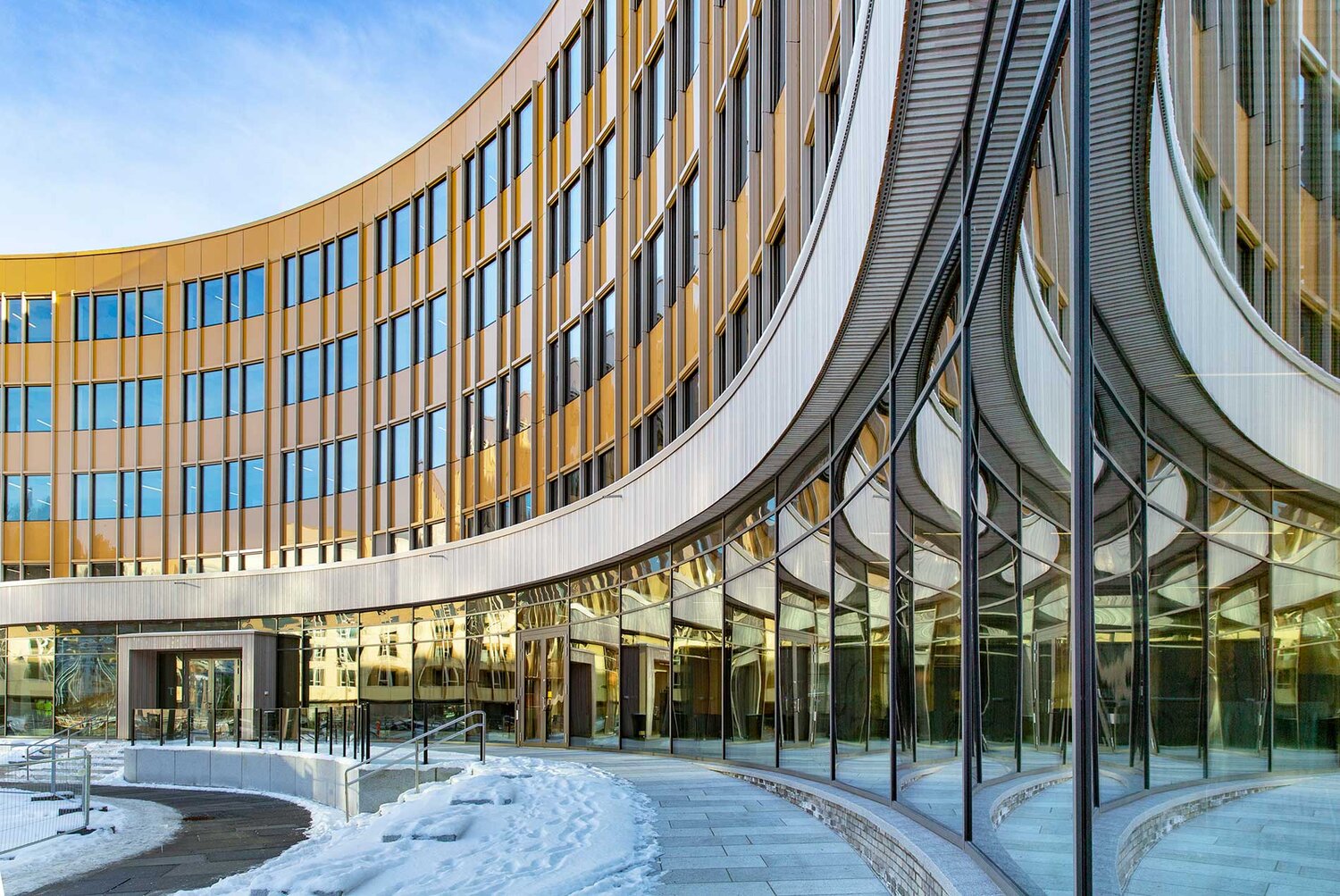
Skipet (The Ship) in Solheimsviken, which was completed in collaboration with Holon Arkitektur, is a recent project that has garnered a lot of attention.
“Skipet was a very interesting project to work on. In a way, it’s brought me back to my roots – my great-great grandfather delivered lumber to the shipyard in Solheimsviken more than 150 years ago,” Paal says.
The building forms a bridge between different cityscapes that serve different functions. On one side of the building there are busy, main roads that lead to Bergen city centre, where many cars, cyclists and pedestrians pass. On the other side, there’s a more quiet area with cafes, offices, a promenade and a marina. With the body of the building, we were able to shield the calmer space from the heavily trafficked roads nearby. Skipet is therefore an important separating feature that offers a transition between these contrasting city spaces.
“I like to find something unique or characteristic for the buildings I work on. For Skipet, that’s the ship’s “bow”, the sloped shape of which creates an interesting tension between the tall, straight facade of the hotel we made next to it,” Paal says.
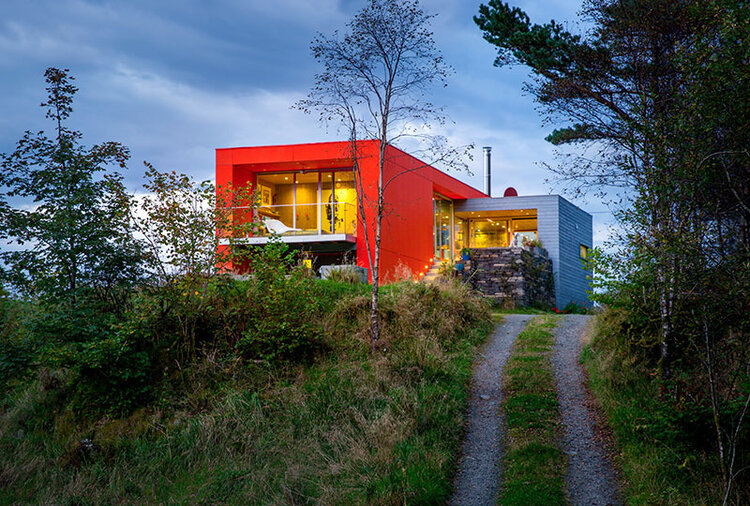
Paal devoted a lot of time to designing his own bespoke cabin based at Lerøy outside of Bergen.
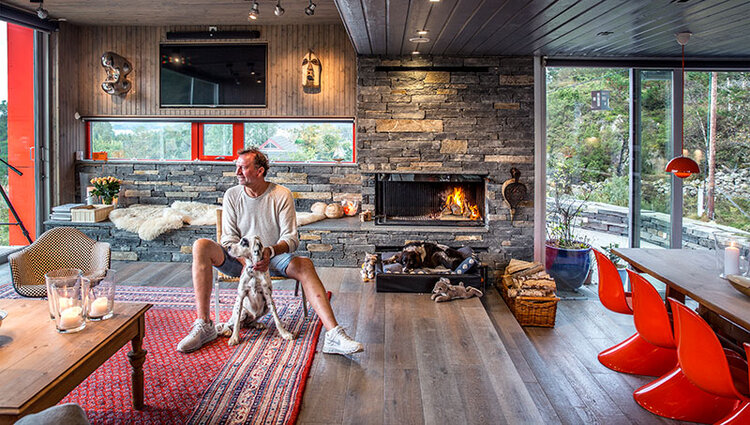
“The cabin at Lerøy is one of my top 3 favourite builds. The building was inspired by a jewelry box – I had some orange Vernon Panton chairs that I felt were true jewels of design, and I thought they deserved to be in a setting that reflected that,” Paal says.
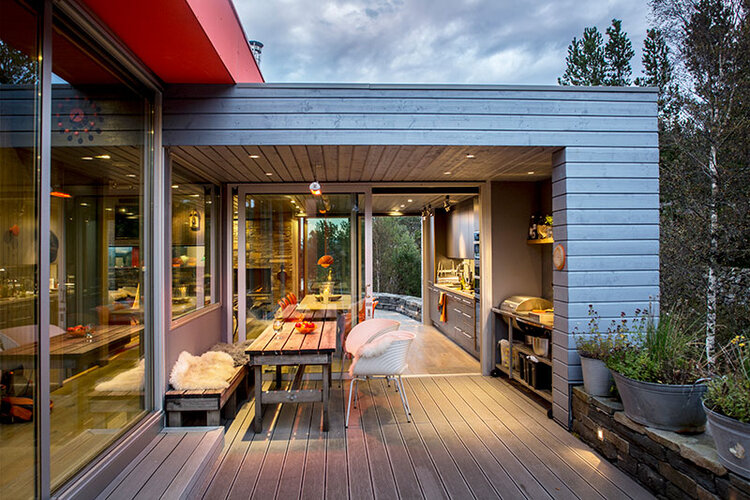
On the outside, the cabin is quite smooth and polished, while the inside is plush and soft. This creates an interesting contrast. With a focus on a vibrant, orange hue which is accented by subdued choices of other materials, such as natural stone and painted wood, the cabin gives off a unique and modern stylistic expression.
“I’m not afraid to use colours – I like there to be a playful element to the work I do,” Paal says.
Paal is inspired by creating a true connection between indoor and outdoor spaces. The cabin features glass panels on all sides, which grounds the space in its natural surroundings. The cabin offers beautiful views of the fjords to the north and east and the forest to the south.
“I like to try to erase the divide between the inside and outside, bringing elements from inside outdoors and incorporating elements that belong outside in indoor spaces,” Paal says.
Paal’s company consists of a small, committed team. “We’ve never had many employees, but we have a great capacity for getting a lot of great work done. We’ve been lucky to have many interesting, challenging assignments that have helped us to develop. I think that’s given me the capability to understand design and detailing as well as seeing the full picture of complex projects,” says Paal.
Paal is always looking ahead to the next prospect.
“I always feel that the next project will be the best one. After completing a build, I always consider what I’ve learned, if there’s anything I could’ve done differently to make it even better. My focus is always on the next job, and how I can do that even better than the last. That’s one of the biggest driving forces behind our company – the hunt for the perfect result.”